 UK: 0844 854 9218 | International: +44 (0)1488 580017
We all pay lip service to ‘self-care’. Some of us are really good at it, and some of us are terrible. And some of us just dabble occasionally in the concept. It came to my attention recently the number of times the phrase ‘take care’, ‘be careful’, or ‘mind how you go’ is actually used in general conversation, normally as part of a farewell or signing off (when in written format). It’s a passing comment but behind it there is an intention and a meaning that can get lost in translation.
Self-care has certainly become more significant in the 21st-century, with a shift in how we receive systematic healthcare. Self-treatment is the first foundation of healthcare, meaning health conditions and common ailments are treated by the individual before an intervention is needed. Statistically, it is estimated that 70-95% of illnesses are self-managed without a doctor’s input. The COVID pandemic undoubtedly changed the face of healthcare and how it is delivered. The new model of healthcare placed more emphasis on preventive measures, remote care, and substantial technological dependence. Public opinion generally regards this model as no longer necessary and the general consensus is that the NHS is in crisis.
The main challenge is access, particularly to primary care (GPs, dentists), which is the next level up from Self Care. Almost 7 in 10 (68%) participants on the Change NHS website reported issues getting a GP appointment. Over 3 in 5 (62%) have experienced delays accessing care in A&E. This drives a sense of frustration, stress and anxiety when approaching the health service. For some, this frustration is so great that their belief of the NHS being a safety net is being undermined. The International Self Care Foundation (ISF) state that self-care is the fundamental level of healthcare in all societies and should be seen as a major public health resource. It is indeed the first line of all our healthcare.
Self-Care Day was on the 24th July and to mark the date, we take a look at what ‘self-care’ is, what it can look like, and how you can practice it both personally and professionally.
What is ‘Self Care’?
Self-Care has been around since the beginning of mankind. Like all things spanning across the length of history, it changes with each era and can become difficult to define. Historically, healthcare was selfcare. It started with self-medication in the family and the local community. People were responsible for theirs and their family’s health. It was only in the 19th and 20th century with advancements in science, modern medicine and technology that the passive patient emerged. Patients that were dependent on the expert knowledge of doctors and physicians.
In fact, around the 1960s, self-care was generally regarded as irresponsible and a largely unhealthy practice! This is very different from how self-care is seen today.
The World Health Organisation (WHO) has been the leading organisation for defining the self-care concept over the decades (1983, 1998, 2009) and this has benefitted health policy as well as helping improve the lives of individuals. In 2013, WHO gave this definition:
‘Self-Care is the ability of individuals, families and communities to promote health, prevent disease, and maintain health and to cope with illness and disability with or without the support of a health-care provider.’
Besides WHO, another worthy ‘self-care’ definition to consider is The UK Department of Health. In 2005 they stated:
‘Self care is a part of daily living. It is the care taken by individuals towards their own health and well-being, and includes the care extended to their children, family, friends and others in neighbourhoods and local communities. Self-Care includes the actions…to stay fit and maintain good physical and mental health; meet social and psychological needs; prevent illness or accidents; care for minor ailments and long-term conditions; and maintain health and wellbeing after acute illness or discharge from hospital.’
Across all definitions there are shared characteristics, including the behaviour and choices of individuals as the foundation of self-care. There is also significant signposting to how the individual’s selfcare ripples out towards children, family, and the wider community. Self-care is not something that happens in isolation. It may be down to individual behaviour, but this inevitably cannot be achieved without people working together, including collaboration between individuals and healthcare providers.
So, self-care is about managing your own lifelong health. It is found in the choices we make about diet, about exercise, about social engagements and the people we surround ourself with. It’s about being mindful of the impact of stress and how we can handle it and maintain a balanced, emotional wellbeing.
Did you know there are Seven Pillars of Self-Care?
Helpfully, self-care is divided into seven domains, or ‘pillars’ that help identify and measure the specific behaviours needed for it:
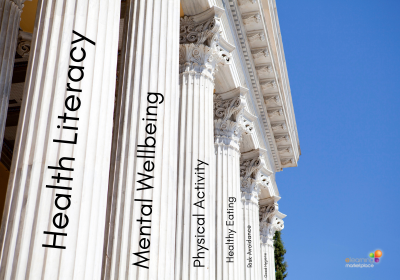
- Knowledge & Health literacy – gain, process and understand basic health information and services needed to make appropriate health decisions. For example, knowing your body mass index (BMI), cholesterol level, blood pressure; engaging in health screenings.
- Mental Wellbeing – includes life satisfaction, optimism, self-esteem, mastery, feeling in control, having a purpose in life, and a sense of belonging and support
- Physical activity – practicing moderate intensity physical activity such as walking, cycling, or participating in sports at a desirable frequency.
- Healthy eating – having a nutritious, balanced diet with appropriate levels of calorie intake.
- Risk avoidance or mitigation – includes: quitting tobacco, limiting alcohol use, getting vaccinated, practicing safe sex, using sunscreens
- Good hygiene – includes: washing hands regularly, brushing teeth, washing food.
- Rational and responsible use of products, services, diagnostics and medicines – includes: being aware of dangers, using responsibly when necessary.
Let’s take a look at some of these in more detail and identify ways we can apply it to our own lives, including e-learning courses available to order today.
How much do you know about your health and general health?
Have you ever been given or picked up a health leaflet? I know when I recently attended A&E for a rugby injury, I was given a printed-out sheet of paper about how to take care of my bruised and possibly broken nose. Or when I’ve taken my children to see a doctor, I usually come out with a leaflet explaining further advice and guidance. The NHS online services are usually a first stop for many of us before reaching out for primary care. This is Pillar One’s health literacy at its basic: understanding the information given to us by healthcare professionals.
The ISF explains how health literacy also enables people to understand the ‘network’ benefits of self-care. For example, we know that regular tooth brushing and flossing will prevent gum disease but has also been shown to reduce some forms of heart disease. And we know that exercise is not only good for fitness, but can also reduce the risk of Alzheimer’s as well as heart disease.
As a Type 1 Diabetic, health literacy is something I had to learn and learn quickly when I was diagnosed at 19 years of age. Managing a lifelong medical condition also falls under the bracket of self-care. So does attending screenings and medical checks at certain ages or points in life. It’s not just being in the know, but also about being able to recognise poorer health information, especially in modern society and the digital age where fads and trends can take over sensible and more factual health knowledge.
Explore our Health and Well Being Category for e-learning courses available to start today. Learn about how to boost our Everyday Energy with e-learning.
What does mental wellbeing look like?
If the first Pillar of self-care is knowledge, then the second is application. This relies on self-awareness and agency to take action. We are all very good at avoidance and denial when it comes to self-care. It is human nature to avoid confronting unpleasant realities. For example, being overweight, insufficient exercise, or risks attached to particular activities such as smoking or alcohol consumption. Self-care activities like counting our ‘5 a day’, the steps we’ve walked, and our water intake, all help to balance out bad habits and allow a regular self-check-in about our choices.
Thankfully the digital age has provided us all with Health Apps that track our sleep, movement and heart rate. Being literate with this data is the first step. The second is understanding the consequences and how to make positive improvements. Good mental well-being is driven by self-awareness and the ability to recognise when we need to step back and switch off from the relentlessness of day-to-day working life. For more about this, see ‘Wired Minds: How Digital Life is Impacting our Mental Health’.
Master the art of mindfulness today, take a look at these courses:
- 5 Ways to Wellbeing (in the Workplace)
- Mindfulness – CPD Approved
- Mental Resilience: Reduce Social Media And Digital Anxiety
Is diet and exercise the greatest form of self-care?
There has been a real drive for self-care and unsurprisingly this is reflected in the growth of the health and fitness industry. A total of 679 million visits to health and fitness clubs were recorded in 2025, marking a 10% increase on 2024 as more people turn to facilities to improve their health. This figure is nearly double the number of visits recorded to GPs last year (383 million according to NHS data), reflecting the scale of the sector’s reach and the unique part it plays supporting national health.
The message is clear when it comes to physical activity. Its benefits are well documented, such as reduced stress, increased mental health, improved sleep, and a reduced risk of a hip or vertebral fracture, particularly in older people. The really good news is it is never too early or too late to start incorporating physical activity into your daily life. And unlike the 679 million visits to a fitness club, physical activity could be as free as taking a 30-minute walk each day.
Next to physical activity, WHO evidence shows that a healthy diet means people can remain healthy into their seventh, eighth, and ninth decades, when a range of health-promoting behaviours such as a nutritious diet and regular exercise are followed. The impact of both of these is incredibly high.
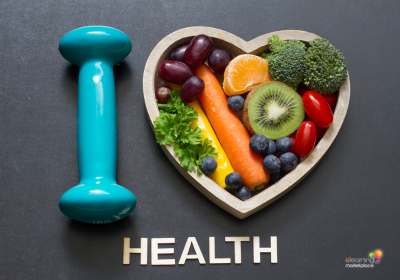
Improving diet and exercise could prevent up to 80% of non-communicable diseases, such as diabetes and cardiovascular disease. They may well be just two of the seven pillars of self-care, but diet and exercise are two bearing the most weight in terms of visible positive effect.
Unlock your health literacy and learn all about nutrition and exercise with these courses:
- Healthy Practices: Nutrition, Exercise, and Safety
- Nutrition and Healthy Eating – SOFHT Approved
- Stretch and Strengthen Exercises for the Workplace
Why Hygiene Matters: Don’t Wash Your Hands of Self-Care
Good hygiene increases not only personal health and wellbeing, but also protects the people around you. It also influences economic productivity. It’s not just a matter of washing our hands. Handwashing has, however, been statistically shown to reduce diarrheal illness by 31% and reduce respiratory infections by 21% (CDC, 2013). Hygiene also extends to food safety and adhering to sanitary food preparation, as well as covering our nose or mouth when coughing or sneezing.
Sounds straightforward and it generally is. The simple act of cleaning hands can save lives and reduce illness by helping prevent the spread of infectious diseases. And yet, alarmingly, it is estimated that 1.4 million people including nearly 400,000 children under five die each year from preventable diseases due to inadequate Water, Sanitation and Hygiene (WASH). Unsafe hand hygiene alone is responsible for 394,000 deaths from diarrhoea and 356,000 deaths from Acute Respiratory Infections (ARIs).
Learn more about food safety, infection control, and hygiene with these courses:
- Personal Hygiene
- Norovirus – RoSPA/CPD Approved
- Infection Prevention and Control Training – CPD Certified
- Food Safety and Hygiene Essentials – Certified by CPD
Self-Care Today for a Better Tomorrow
As we’ve seen, self-care is much more than a wellness trend or occasional act of indulgence. It is the foundation upon which lifelong health and wellbeing are built. Self-care influences almost every aspect of our daily lives. From understanding our own health needs and looking after our mental wellbeing, to exercising regularly, eating well, practising good hygiene, and making informed decisions about healthcare.
In a time when healthcare services face increasing pressure, the ability to care for ourselves has never been more important. However, self-care should not be viewed as a replacement for professional healthcare. Rather, it is a partnership between individuals, communities, and healthcare providers, helping people stay healthier for longer and seek support when it is needed most.
So, this Self-Care Day, take a moment to reflect on those everyday phrases we often say without thinking. Saying to someone or you being told to “Take care” is a simple but powerful message. Looking after ourselves is not a single action or a one-off commitment. It is a series of small, consistent choices that support our health, strengthen our resilience, and enable us to better care for those around us. After all, taking care of yourself is one of the most important investments you can make, both today and for the future.
Author: Helen German
You might also like:
Taking Care of Employee Health and Wellbeing
Top Tips for Reducing Fatigue and its Risks in the Workplace