 UK: 0844 854 9218 | International: +44 (0)1488 580017
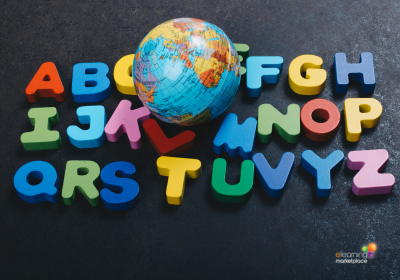
Discover why literacy and digital literacy are essential for lifelong learning, career success and navigating today’s rapidly changing digital world.
As the summer draws to a close, September sees the start of a new academic year. Children and teachers return to school. Parents will be sending their child to school for the very first time. School leavers starting further education, college leavers entering the world of work, or heading off to university. The workplace will settle again after a multitude of annual leave. Routine (and rain hopefully) will return. September certainly is a time of transition. The hot days cool into Autumn and the long days start to shorten.
The 8th September is International Literacy Day (ILD). Every year it centers on a theme. For example, 2023 was “Literacy for a World in Transition,” highlighting climate literacy, digital inclusion and lifelong learning. However, this year it will focus on “Literacy for people, the planet and prosperity.” The day provides an opportunity to take stock of progress, deepen understanding of persistent and emerging challenges, and shape future literacy agendas in a rapidly changing world.
What is International Literacy Day?
International Literacy Day will be celebrating its 60th year and the date helps to raise awareness and bring to light literacy issues on a global stage. It is a date to remind everyone, from partnerships to policy makers to people, of the importance of literacy. It is an opportunity to reflect on global literacy progress and address persistent and emerging challenges. Despite many global achievements since its inaugural Literacy Day in 1967, UNESCO reports that 739 million adults (UNESCO Institute for Statistics, 2025) still cannot read and write. Two thirds of that number are women.
The day is about raising awareness of this and working to advance literacy for all in support of peaceful and sustainable societies. Let’s take a look at why literacy is so important and why organisations should be prioritising it in their Learning and Development Strategy.

Why is Literacy so important?
Literacy goes beyond reading and writing. Literacy is actually a fundamental human right and the foundation upon which lifelong learning and opportunity are built. Literacy is a door opener. For an individual it can lead to better education and employment, to stronger social connections, and overall greater self-confidence and self-care. For communities, it drives economic growth, creates peaceful and sustainable development, and ultimately social progress. For businesses, it strengthens employee essential skills, encourages lifelong learning and create valuable professional development opportunities that help both employees and organisations thrive

It is far reaching. Literacy enables people to gain knowledge and skills, and learn values and attitudes that cultivate respectful behaviours. Behaviours that understand the rule of law, solidarity, justice, diversity, and tolerance. It can help to build harmonious relations with other people and the planet.
All of these are certainly global issues in 2026 – political and social conflicts are aplenty, the divide between poorer communities and the wealthy are greater than ever, and the digital age is increasing the literacy skills gap, especially with AI trying to compete against human capability.
What exactly is Literacy?
Literacy is reading, writing and counting skills. According to UNESCO, it is now also seen as a means of interpretation, understanding, and communication in an information-rich and digital world. It is about improving your communication capability. Literacy is the ability to continue learning, especially as technology evolves, as our understanding about climate and sustainability grows, as well as recognising the importance of global citizenship. It is also about adapting to job-specific skills. It is the foundation for which we can develop professionally in our careers. Literacy ensures we can successfully complete training and pursue promotions or even, start over.
When I taught in Further Education, many of my students were adults returning to education to pursue a change of career. Literacy enabled them to access new pathways, to understand the responsibilities of a new career, and unlock the communication skills needed to develop and achieve their goals. I always explained to my students that literacy is the window through which we view and interact with the world. Improving our literacy skills means expanding our view of the world and our capabilities in it. And when that world is overflowing with “fake” news and non-verified information, being literate and able to question and critically evaluate what we read is more important than ever.
Why is Digital Literacy growing in importance?
Digital literacy is not just basic computer skills anymore; it also includes a working knowledge of AI, cloud computing, data handling, as well as cybersecurity and safe use of digital technology.

Market estimates point to digital literacy training, such as AI training, bringing about an average 40% uplift in employee productivity and engagement. It is also producing roughly a 250% ROI within 18 months, mainly via automation, better efficiency, and fewer operational errors.
The National Literacy Trust emphasizes that developing strong literacy skills enables young people to critically evaluate information, fostering informed citizens capable of navigating complex digital landscapes. The National Skills Coalition reports that 92% of jobs now need basic digital literacy skills. By 2030, 54% of employees will need major upskilling in order to address the skills gap created from digital transformation in the workplace.
Top Five Reasons Organisations Should prioritize Literacy Skills in the Workplace
1. Supports Digital Transformation and AI Readiness
As organisations adopt more digital technologies, employees need more than basic reading and writing skills. Digital literacy, including the ability to evaluate information, use digital tools and understand emerging technologies such as artificial intelligence, is now essential.
2. Strengthens Business Resilience and Competitiveness
Organisations that prioritize literacy create a workforce that can adapt more quickly to change, navigate complex information and respond effectively to new challenges. In an economy shaped by rapid technological advances, strong literacy capabilities help organisations remain innovative, competitive and prepared for the future.
3. Improves Employee Productivity and Performance
Strong literacy skills enable employees to understand instructions, policies, training materials and workplace communications more effectively. When employees can confidently interpret information, complete documentation accurately and communicate clearly, they are better equipped to efficiently perform their roles and make informed decisions.
4. Enhances Communication and Collaboration
Effective communication is at the heart of every successful organisation. Employees with strong literacy skills are better able to write emails, prepare reports, contribute to meetings and collaborate with colleagues. It reduces misunderstandings, strengthens teamwork and creates a more productive and inclusive workplace culture.
5. Boosts Employee Engagement and Career Development
Providing opportunities to improve literacy skills demonstrates a commitment to employee growth and development. Employees who feel supported in their learning are often more engaged, motivated and likely to remain with the organisation.
Building a Future-Ready Workforce Through Literacy
As International Literacy Day 2026 reminds us, literacy is far more than reading and writing. It is an essential skill that empowers people to learn, work, participate in society and adapt to an ever-changing world. From supporting educational achievement and career development to enabling informed decision-making in the digital age, literacy remains a powerful driver of opportunity and inclusion.

Literacy is no longer just an educational issue; it is a business imperative. By investing in literacy and digital literacy skills, organisations can empower their people, improve performance and build a workforce that is ready to thrive in an increasingly complex and technology-driven world.
Author: Helen German
Frequently Asked Questions
1. What is the difference between literacy and digital literacy?
Traditional literacy focuses on reading, writing and numeracy skills. Digital literacy builds on these foundations and includes the ability to use, understand and critically evaluate digital technologies and online information.
2. How does literacy support lifelong learning?
Literacy provides the foundation for acquiring new knowledge and skills throughout life. It enables individuals to engage with training, professional development and educational opportunities as personal and workplace demands evolve.
3. How can employers improve literacy skills in the workplace?
Employers can support literacy development through workplace training programmes, digital skills initiatives, mentoring, professional development opportunities and access to learning resources that encourage continuous growth.
You might also like:
E-Learning Success Stories: How Organisations are Transforming Workplace Learning