 UK: 0844 854 9218 | International: +44 (0)1488 580017
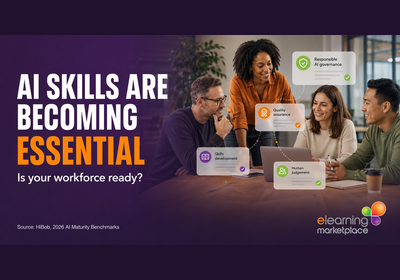
Artificial intelligence (AI) proficiency is rapidly becoming a core workplace requirement, but many employers lack a consistent strategy for developing and assessing it, according to new research from HR platform HiBob.
The 2026 study surveyed 1,200 AI decision-makers across six international markets, including the UK. Three-quarters expect moderate AI proficiency to become standard across most non-technical roles within the next two years, rising to 77% among UK respondents.
AI capability is also beginning to influence career progression. Some 67% of respondents said their organisations connect AI skills with promotion criteria, while half consider them when assessing employee performance. However, this growing emphasis is not always supported by a structured development programme. Although 73% invest in AI upskilling, no individual training topic has been adopted by more than 27% of organisations.
Managers may face particular pressure. They are the group most frequently expected to build AI capability within teams, yet only 36% of relevant respondents believe managers are highly prepared to fulfil this responsibility.

The research also indicates that employers value responsible and reliable AI use more highly than attention-grabbing technical skills. Reviewing the quality of AI-generated work and documenting decisions were identified as important everyday behaviours. Skills involving automation, AI governance and output evaluation are also attracting salary premiums because they remain difficult to recruit.

The findings suggest employers need to move beyond occasional AI training and establish clear, practical standards. Structured learning, defined responsibilities and fair assessment criteria will help employees understand how to use AI safely, effectively and in ways that support organisational goals.
Author: Carolyn Lewis
Source: HiBob’s 2026 AI Maturity Benchmarks report, based on research conducted from 3 February to 12 March 2026.