 UK: 0844 854 9218 | International: +44 (0)1488 580017
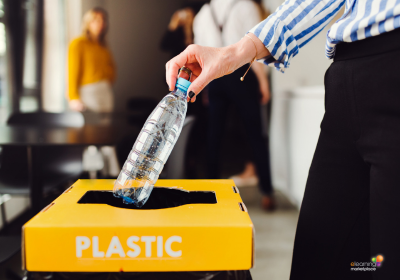
The UK Government has introduced new Simpler Recycling Regulations, which are part of their Resources and Waste Strategy, to make recycling operations more efficient, while decreasing waste sent to landfills and fighting against illegal waste disposal. The regulations will have a notable impact on businesses and organisations across the country, helping them to achieve environmental sustainability based on better recycling systems. People at all levels within an organisation need to understand these changes because they affect everyone.
Overview of the Simpler Recycling Regulations
The new waste separation law, which came into force in England on 31st March 2025, requires that all organisations with ten or more full-time equivalent staff members must sort their waste at its origin. The new law establishes a single standard for waste separation, which requires the separation of three essential recyclable materials: dry recyclables, food waste and non-recyclable materials, which fall under the residual category:

- Dry Recyclables: Plastic, metal, glass, paper, and card.
- Food Waste: All food intended for human or pet consumption, including inedible parts like bones and eggshells.
- Non-recyclable (residual) waste.
Businesses need to establish at least three waste bins for their operations, which include a general waste container and separate containers for dry mixed recycling and food waste. The phased implementation of the new rules includes specific deadlines for businesses to meet their obligations. All businesses that employ 10 or more full-time equivalent staff members must start separating their waste according to the new regulations by 31st March 2025.
The new regulations will apply to micro-firms with less than ten employees starting from 31st March 2027. The mandatory separation of plastic film will come into force when the rules expand to micro-firms.
Impact on Organisations: Challenges and Opportunities
The new regulations create challenges for businesses while simultaneously offering potential opportunities.
- Operational Adjustments and Costs
Waste management systems will experience an immediate impact. The following changes will need to occur in most organisations:- Perform an internal waste audit to determine waste output for proper bin selection and waste separation implementation.
- Acquire new waste management equipment, which includes bins, containers and identification signs for proper waste stream separation.
- Check waste collection contracts to verify that service providers maintain proper licenses and possess the capability to handle the newly separated waste streams. Waste collectors must follow legal requirements to prevent waste stream contamination and ensure proper recycling of materials.
These first steps require an initial financial investment, but businesses can expect to save money through recycling because it costs less than landfill disposal.
- Staff Training and Culture Change
Compliance with the new regulations depends on active employee involvement. Organisations will need:- Staff to complete training so they fully understand the regulations and systems in place. Not only staff, but visitors and customers also need to follow proper waste disposal practices for each bin. A training programme will help stop contamination from occurring and prevent both fines and total landfill disposal of the bin.
- To use these regulations to establish sustainability as an integral part of their culture. Organisations that actively promote recycling programmes show their dedication to environmental responsibility, which matters more to consumers and stakeholders in today’s market.
- Enhanced Sustainability Credentials
Organisations that comply with the new regulations will achieve better environmental results and will have a substantial business advantage, because they enable organisations:- To demonstrate their dedication to sustainability, which will strengthen their brand’s reputation and attract customers who care about the environment. They will also attract skilled workers who share these values.
- Clients and investors to scrutinise the organisations’ environmental, social and governance (ESG) performance. Recycling practices form an essential element for organisations to report in their sustainability reports.
- To achieve environmental benefits through their efforts to extend the usage of valuable resources, as this practice decreases raw material requirements and minimises their environmental impact.
- Extended Producer Responsibility (EPR)
The Simpler Recycling Regulations exist within a larger set of regulatory changes; the Extended Producer Responsibility (EPR) for packaging stands as a separate major piece of legislation. The Extended Producer Responsibility (EPR) policy requires producers to cover all expenses related to packaging waste management for products they distribute in the UK market.
Organisations that exceed specific criteria (annual turnover exceeding £1 million and handling more than 25 tonnes of packaging) must follow EPR requirements.
Conclusion
The UK’s new Simpler Recycling Regulations require organisations to adopt new waste management practices which go beyond basic bin changes. Organisations that adopt the new requirements through infrastructure investments and employee training will experience lower costs and enhanced sustainability reputation, while helping the UK achieve its environmental targets.
You may also be interested in:
Data (Use and Access) Act 2025 (DUAA): What’s New?
Employment Law Changes: Are your Staff Trained?
Preventing Sexual Harassment: Is your Business Compliant?
Failure to Prevent Fraud: Are your staff trained and ready?
PCI DSS 4.0: Why Staff Training is Key to Compliance
Author: Carolyn Lewis
1/4/25