 UK: 0844 854 9218 | International: +44 (0)1488 580017
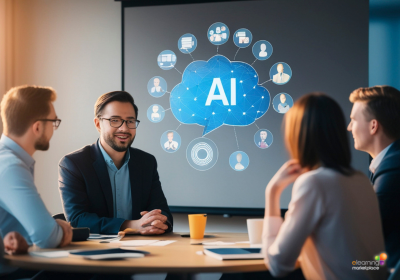
It’s 2026; workplace humanoid robots aren’t making us coffee, as some might have predicted, but we are seeing the relentless integration of artificial intelligence into every aspect of the workplace. Despite this, we still hear the term digital native, but familiarity with smartphones and social apps does not equal workplace digital competence. Being able to post on TikTok or message friends does not automatically translate into professional use of communication platforms. So, is our definition of digital literacy stuck in the past, while the job market has moved on? This article takes a look at digital literacy and whether the unemployed are being disadvantaged because they are not being taught the digital skills they need to find work.
The Reality of Jobs in 2026
Employers are continuing to report a persistent digital skills gap in their workforce, but what are these skills gaps? Are they the same skills gaps we’ve been talking about for more than a decade? We’ve spent years fearing that AI would replace jobs, and there is still talk of this happening, but what we are seeing isn’t so much that AI is replacing people, more that it is reshaping job roles.
Digital literacy once meant the basic ability to use computers and the internet, but today it encapsulates a broad spectrum of competencies, including understanding and leveraging artificial intelligence (AI) technologies.
Digital literacy in the age of AI involves the capacity to interact effectively with AI tools, comprehend their functionalities, and utilise them to enhance productivity and innovation in various professional domains.

AI’s influence on job markets is wide-ranging. It’s reshaping existing roles and creating new opportunities while also posing challenges. One of the most significant transformations is the automation of repetitive and mundane tasks. AI-powered automation allows employees to focus on more strategic, creative, and value-added activities, enhancing overall productivity and job satisfaction. This shift requires a rethinking of workforce strategies and a proactive approach to reskilling and upskilling.
Yes, we are seeing the creation of new jobs, such as AI ethics consultants, data scientists, and AI trainers, which means the need for continuous learning. However, employers also require employees who can leverage AI-driven insights to inform their strategies, making data literacy a crucial skill for employees at all levels. Other crucial skills in-demand by employers, according to the World Economic Forum and various industry reports, are adaptability and complex problem-solving, as well as AI literacy.
Digital Recruitment
Most recruitment happens online, with between 87% and 95% of recruiters using LinkedIn to find and connect with candidates. Other digital tools used by recruiters are job boards, online portfolios, AI driven screening tools and live video assessments. So the question is, are jobseekers being taught how to navigate this digital recruitment landscape? Unfortunately, the answer in many cases is still ‘no’.
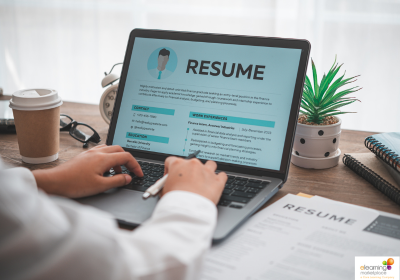
When I reflect on my past experiences training teachers on the use of learning technologies, one session stands out from 2008: ‘Employability – Preparing Students for Digital Recruitment’. Yes, 18 years ago, recruitment was already going digital.
It’s hugely disappointing that we’re still finding that young people are not being given the skills to maximise their opportunities. LinkedIn profiles are often incomplete, outdated and treated as a static CV, rather than a living professional identity. Jobseekers need to know how to:
- Build a professional digital presence
- Leverage technology to increase visibility
- Manage their digital footprint to ensure a positive first impression
- Network online with an identified intention
- Use job alerts and search filters effectively
- Optimise profiles for recruiter searches
- Present evidence of skills through portfolios or projects
- Craft CVs and application forms that can pass Applicant Tracking Systems (ATS)
- Leverage technology for company research
- Use AI to support content writing, but refine it to feel authentic, as recruiters are increasingly aware of purely AI-generated content.
- Confidently use digital platforms for communication and collaboration in preparation for remote interviews
- Confidently use online assessments, including game-based assessments, as companies are adopting game-based and cognitive tests to evaluate candidate aptitude.
The Skills Employers Are Seeking in the AI Era
In today’s workplace, employers are looking for highly sought-after technical proficiency in AI and machine learning, as they enable employees to develop, implement, and manage AI systems. However, employers are finding that just as important in the AI era are the soft skills to navigate the complexities of the modern workplace, such as:
1. Emotional Intelligence (EQ) & Empathy is the ability to understand and manage your own emotions, and to recognise and influence the emotions of others. AI cannot feel empathy or build genuine trust. A high level of emotional intelligence is vital for effective leadership, resolving conflicts, and client-facing roles, driving team performance and fostering a positive culture.
2. Critical Thinking & Complex Problem-Solving is the ability to analyse facts, assess situations, and make judgments. AI provides data, but humans must interpret the context, evaluate ethical considerations, and make decisions. As AI handles more content generation, the ability to discern, question, and validate that output is paramount.
3. Adaptability & Resilience is the ability to learn and unlearn quickly, and manage uncertainty or change strategies when priorities change. Resilient employees can bounce back from setbacks and adapt to new tools, making them crucial for business continuity.
4. Creativity & Innovation is the ability to generate original ideas, think outside the box, and design new processes, rather than just recombining existing data. AI can follow a set structure and be predictable, but genuine innovation requires human imagination. Creative thinkers are needed to spot improvements and challenge the status quo.
5. Effective Communication & Collaboration is the ability to clearly convey ideas, really listen, and work co-operatively across diverse teams, including in hybrid or remote settings. Strong communication bridges gaps between technical teams and business stakeholders. Collaborative skills are essential for maintaining productivity in team-oriented, hybrid work models.
6. Leadership & Social Influence is the ability to motivate and inspire teams, mentor others, and take ownership of projects. Even in junior roles, influencing others and managing oneself is vital. Leaders must guide teams through uncertainty and nurture talent in ways algorithms cannot.
7. Physical Dexterity & Complex Physical Work is the ability to use fine motor skills, have hands-on expertise, and adapt to unpredictable physical environments. Roles such as nurses and skilled tradespeople operate in environments where robots struggle to adapt.
The Importance of Continuous Learning and Adaptability
In an era where technological advancements occur at an unprecedented pace, continuous learning and adaptability have become essential attributes for career growth and sustainability. The rise of AI and its integration into various industries demands a commitment to lifelong learning to keep skills relevant and up-to-date.

Continuous learning involves not only acquiring new technical skills, but also staying informed about industry trends, emerging technologies, and best practices. Online courses, webinars, workshops, and certifications provide accessible avenues for professionals to enhance their knowledge and competencies. This proactive approach to learning equips individuals with the agility needed to navigate the ever-changing digital landscape.
Adaptability, on the other hand, is the ability to embrace change and direction when necessary. In the context of AI, this means being open to new ways of working, experimenting with innovative tools, and adjusting to evolving job roles. Cultivating a growth mindset, where challenges are seen as opportunities for development, is crucial for thriving in an AI-driven world.
Bridging the Skills Gap: Education and Training
As AI continues to revolutionise industries, bridging the skills gap has become a critical priority for schools, colleges, universities, governments, and private organisations. Targeted education and training initiatives are essential to equip the workforce with the necessary skills to thrive in an AI-driven economy. However, as previously said, this is not just about the technical skills, but the soft skills are vital too.
Many universities and colleges are integrating AI and data science courses into their curriculums, and a few are developing partnerships between their institution and tech companies, facilitating the development of specialised programs and certifications that provide practical, industry-relevant training.
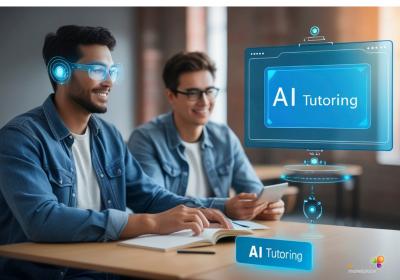
For example, the University of Manchester and Microsoft announced a partnership to provide Microsoft 365 Copilot access and training to all students and staff. Copilot is an AI-powered conversational assistant developed by Microsoft, built on large language models (LLMs), and acts as an “AI companion,” offering capabilities such as summarising documents, writing emails, coding, and generating images via text-based, voice, or image prompts.
Schools can better prepare students for the workplace by improving their embedding of employability skills, in particular soft skills as described above, across the curriculum, to ensure a resilient and adaptable workforce.
Individuals can also help themselves to develop employability skills with online qualifications, short courses and online professional development in Artificial Intelligence, Machine Learning and Soft Skills. A commitment to life-long learning ensures a powerful catalyst for career growth and a brighter future.
Conclusion: Embracing AI for Career Growth and Development
By understanding the needs of employers and leveraging AI, individuals can not only enhance their digital literacy but also acquire in-demand skills and remain competitive in the ever-evolving job market.
Looking ahead, the role of AI in shaping employability, digital literacy and the workplace will continue to expand and evolve. However, AI is most likely to augment human capabilities, enabling them to perform tasks that require a combination of human creativity and machine efficiency. This symbiotic relationship will redefine job roles and responsibilities, creating a dynamic and innovative workforce.
Author: Carolyn Lewis