 UK: 0844 854 9218 | International: +44 (0)1488 580017

Description
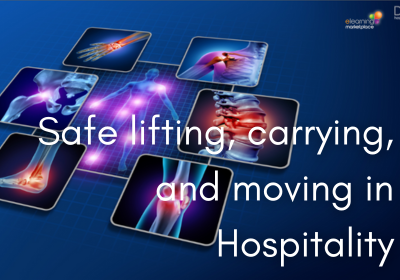
Safe lifting can prevent musculoskeletal injuries, a significant cause of disabilities around the globe. This online course explores the nature of these injuries, their causes, and effective strategies to reduce risk of injury. Key topics include understanding musculoskeletal injuries, differentiating between acute and cumulative injuries, and recognising responsibilities in the workplace. You’ll learn about proper lifting and carrying techniques, including team lifts, as well as the importance of safe pushing and pulling practices. Posture awareness, the risks associated with stretching and twisting, safe use of steps, and secure item storage are also covered. The course emphasises the value of referring to risk assessments, utilising safety equipment, reporting accidents, and remaining vigilant about potential injuries in the work environment.
We would strongly advise undertaking the additional courses Safe Handling of Chemicals Hazardous Substances in Hospitality (UK COSHH regulations) along with the General Safety in Hospitality.
Key benefits of this module:
- Understand the responsibility to work safely
- Recognising the difference between acute and cumulative injuries
- Relate injury risks to hospitality working practices
- Know how to assess loads before lifting
- Know how to lift safely and why each point is important
- Carry loads safely to minimise risk
- Understand why pulling is better than pushing but be able to push safely if needed
- Know how to place loads safely
- Use steps safely
- Store items to minimise risk
- Remember to bend knees when bending
- Recognise potential RSI actions and think how to reduce the risk
- Understand how to use risk assessments
- Understand the importance of reporting injuries
Format
The course is delivered fully online and is split into four highly interactive sections. Learners will engage with videos, case studies, questions, and activities that use real hospitality situations and finish with a quiz to ensure points are remembered and understood. The online course may be completed in short sections over a period of time or all at one go! In addition, there are links to websites and documents that can be used to research further learning.
Learning objectives
By completing this training, learners will be able to:
- Identify the risks of lifting and carrying and your responsibilities to work safely
- Identify safe lifting, carrying and general moving techniques to use at work
- State the importance of being injury aware
Entry requirements
There are no entry requirements.
Course assessment and certification
At the end of the course, learners complete a 26 question quiz in the same style as the learning activities (drag-and-drop, single choice, multiple choice). The pass mark is 80%, with unlimited retakes available. Certificates are available instantly upon passing.