
 UK: 0844 854 9218 | International: +44 (0)1488 580017

Health and wellbeing should be important to all of us. It is what unites everybody, regardless if you’re in senior management, line management, or a team member. Yet with fast-paced modern life, the pressure and stress of managing our workload, and the relentlessness of the day-to-day stuff, our health and wellbeing is the first to suffer. We only notice once it’s reached a breaking point. We missed all the signs telling us we should have taken action sooner. Our employer did too.
We recently posted about the impact of digital life on our mental health but what about the impact of work on our lives? There is the old saying that we shouldn’t live to work but work to live. This is about not only prioritising health and wellbeing but about a balanced approach.
There are countries across the world that are moving to, or experimenting with, a four-day work week model. For example, in Iceland, 90% of workers enjoy a 36-hour week and report less stress and more job satisfaction. The Four Day Week Foundation, a non-profit company, is leading the campaign for UK businesses to change to a shorter working week policy.

They reported that 92% of the participating companies decided to continue with a four-day working week. They saw a 35% average increase in their revenue and, more importantly, 71% of their employees had reduced levels of burnout and stress.
Data draws the line: CIPD’s Health and Wellbeing report
There’s a line that I think about often from Ian McEwan’s novel Saturday: ‘Work – the ultimate badge of health’. Yet without the right care and attention and support, work can quickly become the badge of poor health. CIPD’s Health and wellbeing at work report was released this week and it is clear more is needed to take care of employee health and wellbeing.
The report revealed a big jump in the average number of days an employee has for sickness absence per year. And at 9.4 days it’s the highest it’s been in 15 years. 78% of short-term absence is due to minor illnesses, such as colds, flu, and headaches. Whereas 41% of long-term absence is due to mental ill health. However, stress and musculoskeletal injuries are factors of both short and long-term absence.
Alongside this data, the report also explains how organisations are holistically approaching the health and wellbeing of its employees. 64% take steps to reduce stress in the workplace particularly supporting employees’ wellbeing at various life-stages. For example, 75% of organisations support employees with young children. Many employees feel the pressure of expectation from their employers to work as if they are not parents, and to parent as if they don’t work. Yet the two are not mutually exclusive! It is a constant struggle and cause of stress. The government has sought to address this with offering parents funded childcare for their children from the age of 9 months (previously the age was set to 2 years). With this and a more supportive approach from employers, perhaps ‘caring responsibilities for children’ will fall out of the top three reasons for short-term absence from work.
What can organisations do?
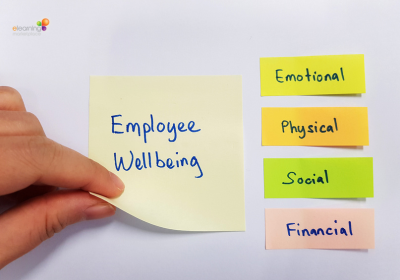
Organisations seeking to improve their employees’ health and wellbeing tend to take a holistic and strategic approach. They have a stand-alone wellbeing policy, choosing to promote a number of important factors.
Mainly because these factors are found to overlap and contribute to both mental and physical health, such as:
- Values and principles: more organisations in 2025 are focusing on this type of activity as a way to create an inclusive and collaborative workplace ethos and culture.
- Collective and social connections: 75% reported poor relationships with colleagues had a negative impact on their mental and physical health.
- Personal Growth: organisations recognise that strength is found in the sum of all parts and as much as they pursue a company purpose, supporting individual’s growth is equally as important.
- Financial wellbeing: with the cost of living continually rising and most people feeling the pinch on their purse strings, organisations are finding innovative and fair ways to support employees financially.
We’ve already mentioned how companies are experimenting with a four-day working week. Other organisations utilise a hybrid-working model or flexible contracts. Hybrid working certainly seems to meet the balanced needs of both employee and organisation without being detrimental to the other. The flexibility is reported to have a more positive impact on mental health when compared with inflexible and rigid work structures or those just with home-based work set-ups.
People management: Team Leaders leading the way
It’s not just when employees work that is important but also what their work involves and how they get it done. Organisations should regularly review workloads and take a more preventative approach to work-related stress. In the last five years there has been an increase in the percentage of line managers and senior leaders prioritising employee wellbeing. In order to tackle absence, employees should have someone present they can go to. There should be a team leader or line manager who is approachable, empathetic and supportive in working out solutions to their struggles and stresses at work, especially when it concerns mental ill health.
Why should we take care?
CIPD’s report makes for interesting reading about health and wellbeing in the workplace. Its data allows us to take a moment and think about the wider impacts of an organisation’s training activity. Just like our use of digital devices should be intentional and purposeful, so should our approach to employees’ health and wellbeing be intentional and purposeful.
Employees are less likely to go above and beyond, or get involved, or make suggestions when they feel negatively about their work. They are more likely to quit and more likely to not recommend their employer.

Taking care of employee health and wellbeing overall could mean:
- lower levels of short and long-term absence
- increased productivity and increased revenue and a boost to the economy
- better employee retention and lower unemployment
There are two Richard Branson quotes that spring to my mind here. Firstly, when he said: ‘employees come first. Take care of your employees, and they will take care of your clients’. Secondly: ‘Train people well enough so that they can leave, treat them well enough so they don’t want to’.
Employee health and wellbeing really are the foundations for building a supportive and productive workplace. And it is something we should all take care of.
View all courses on Health and Wellbeing.
Author: Helen German
September 2025
SOURCES: